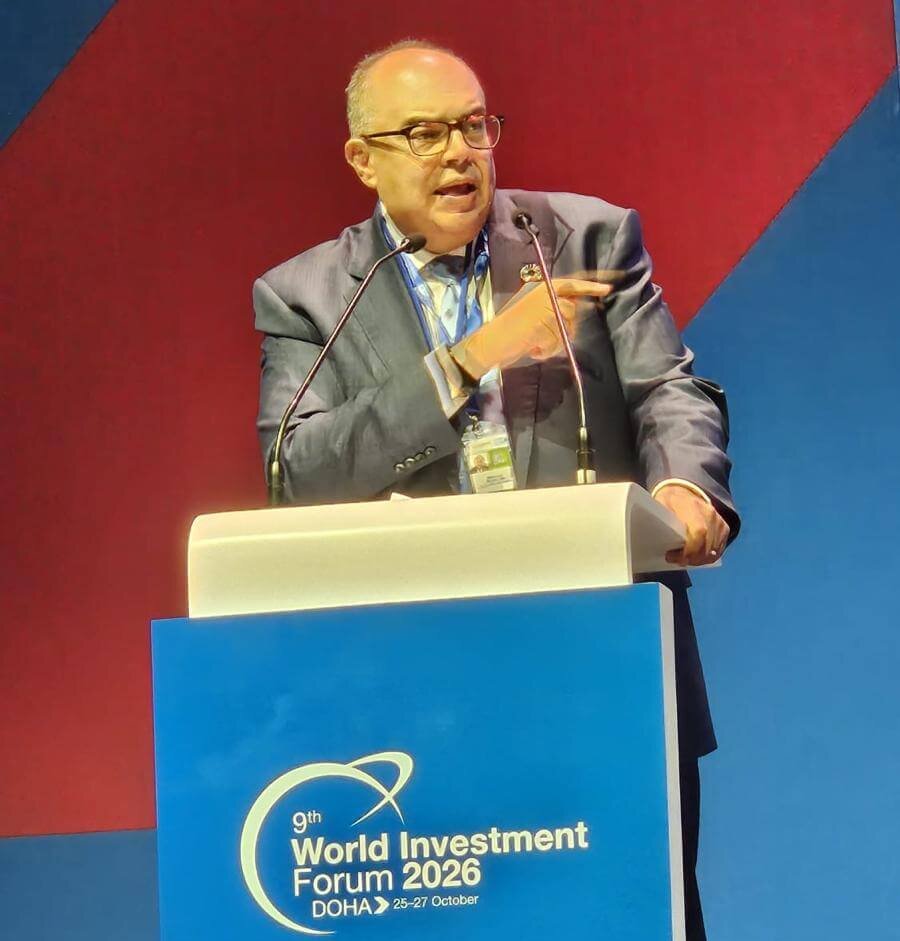
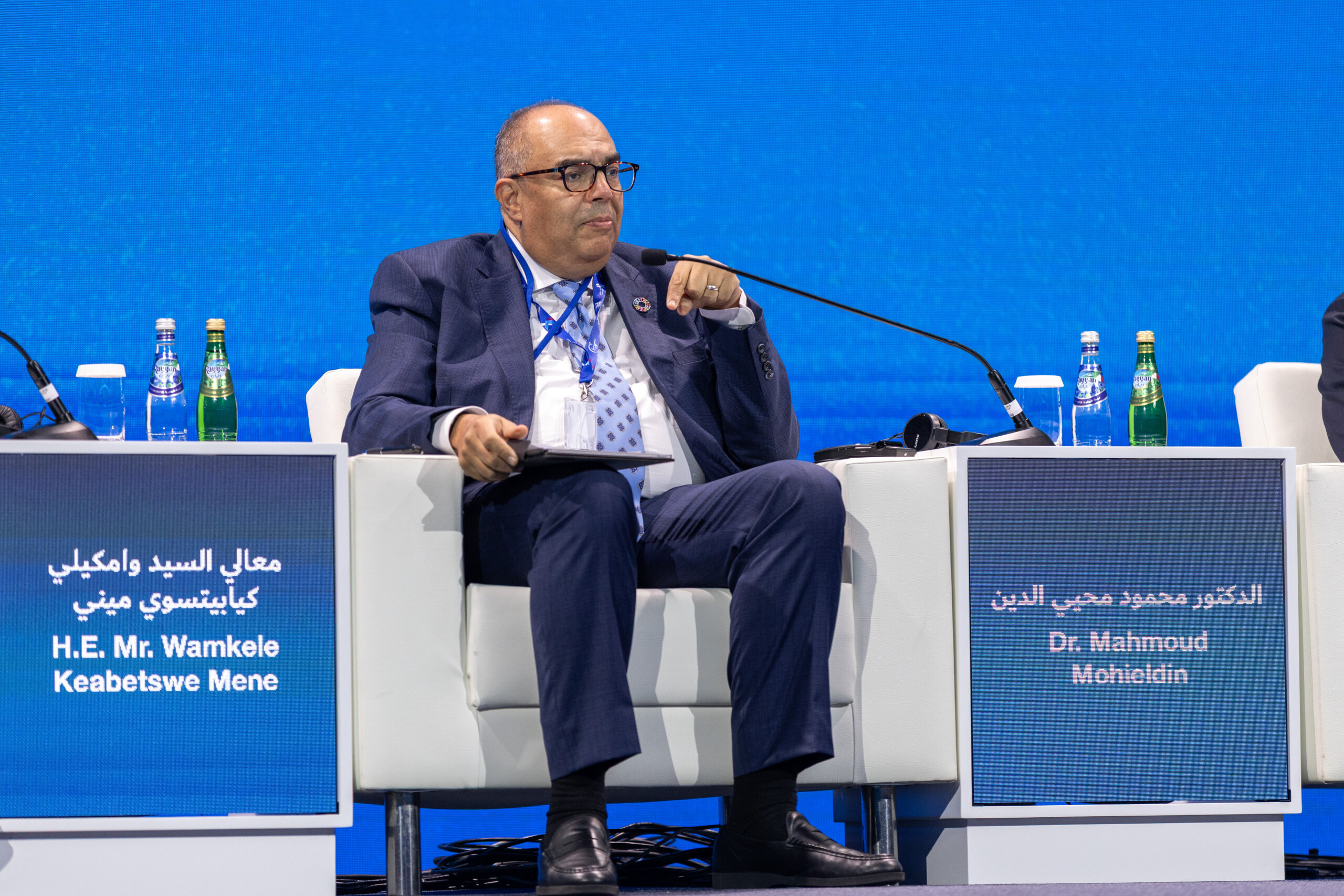
I participated in “Building Critical Minerals Investment Partnerships” at the 9th World Investment Forum 2026 in Doha, Qatar. The session examined how investment partnerships can help countries harness their critical mineral resources to support sustainable economic development.
The discussion brought together H.E. Jacqueline Lydia Mikolo, Minister of Trade, Supply and Consumption of the Republic of Congo; Wamkele Mene, Secretary-General of the African Continental Free Trade Area Secretariat; Alae Laghrich, Chairman of the Executive Board of PME Pensioenfonds; and Frank Fannon, Co-Founder and Managing Partner of Orion Critical Minerals Consortium. The session was moderated by Adrian Finighan of Al Jazeera.
Critical minerals are increasingly important to the global economic transformation, but their development must generate lasting value for the countries that produce them. The objective should not be limited to extracting and exporting raw materials. It should also include developing domestic processing capabilities, transferring technology, building skills, strengthening local suppliers, and expanding participation in regional and global value chains.
Achieving these objectives requires integrated investment strategies that connect mineral resources with the infrastructure and productive systems needed to support them, including energy, transport, water, and logistics. It also requires effective partnerships among governments, development finance institutions, and private investors, with risks allocated fairly and transparently.
For resource-rich countries, the developmental benefits of critical minerals depend on the extent to which investment strengthens local productive capacity, promotes industrial development, and increases domestic value addition, while safeguarding fiscal space and supporting long-term economic diversification.
The success of critical minerals investment should be measured not only by the volume of resources extracted, but also by the productive capabilities, technology, jobs, and value chains developed in the countries where those resources originate.