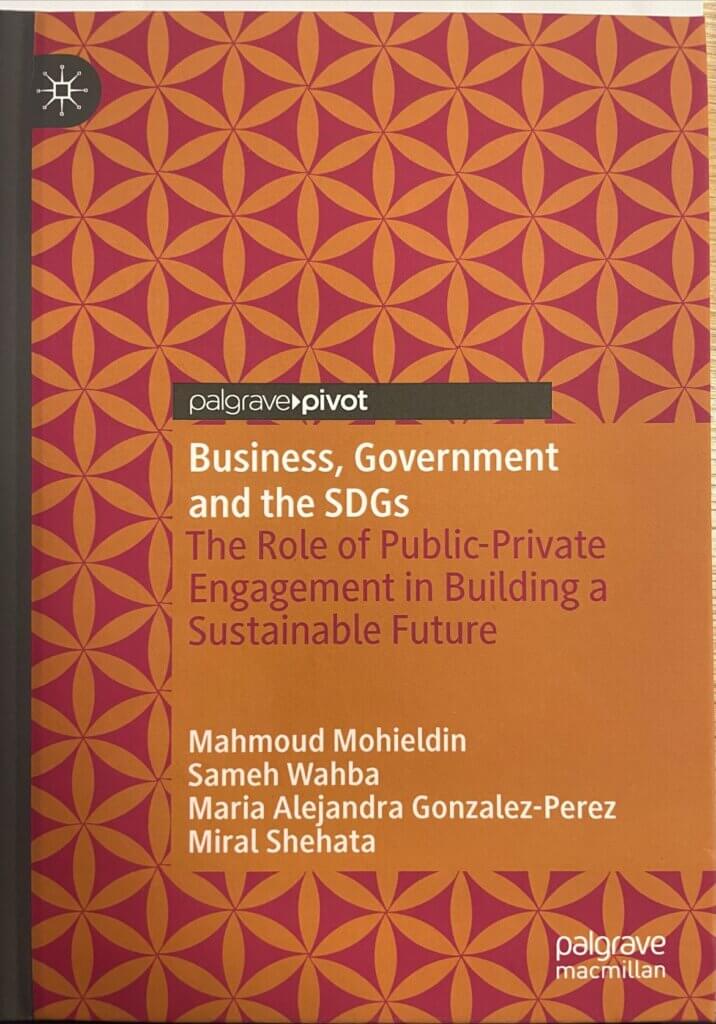
For the first time in history, the entire human population encountered a perfect storm. This consisted of a health emergency caused by the COVID-19 pandemic; economic contraction accompanied by demand and supply shocks as a result of lockdowns; massive job and liveli-hood losses; disruptions to global trade and supply chains; severe financial and commodity market volatility; and a compounding environmental crisis caused by climate change. Many Sustainable Development Goals (SDGs) will not be met by 2030 if such challenges are not addressed. This challenge involves reconsidering the roles of government, businesses, and cities in accomplishing the SDGs and the 2030 Agenda, as well as their conventional partnerships and domains of influence. Global challenges aren’t limited to pandemics and endemics. Climate change, biodiversity loss, food scarcity, armed conflicts, climate-induced migration, and political crises all pose threats to the SDGs. However, these crises are exactly the vulnerabilities and disruptions that the SDGs seek to tackle. The SDGs provide a roadmap to enhance system preparedness and invest in resilience to strengthen systems ability to weather shocks and bounce back. In this sense, it is important to analyze the roles assumed by national governments, businesses, and local and regional governments (LRGs) in advancing the 2030 Agenda, as well as the interactions among these actors to ensure their coordinated and coherent responses to crises and sustainable investment in the necessary systems.