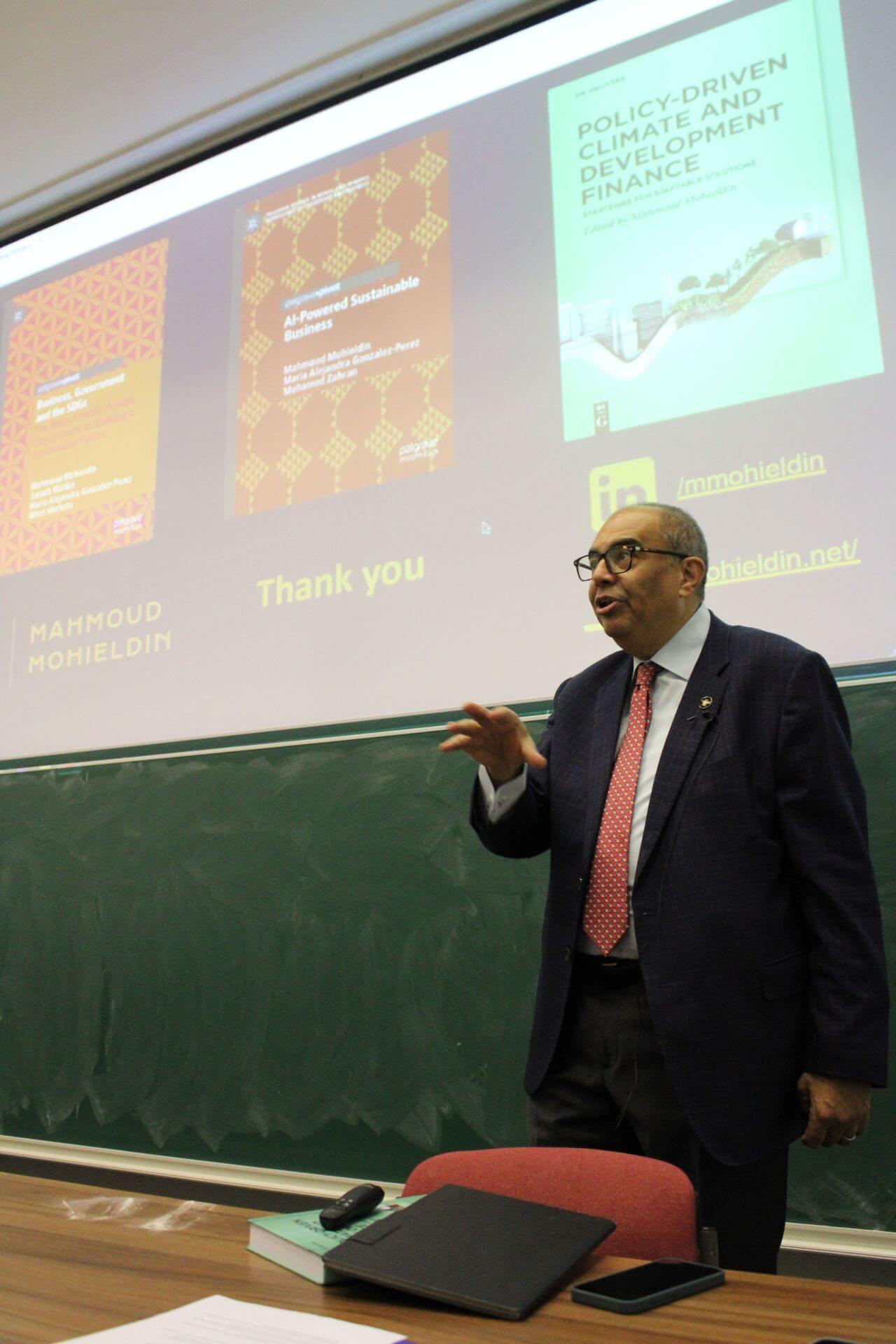
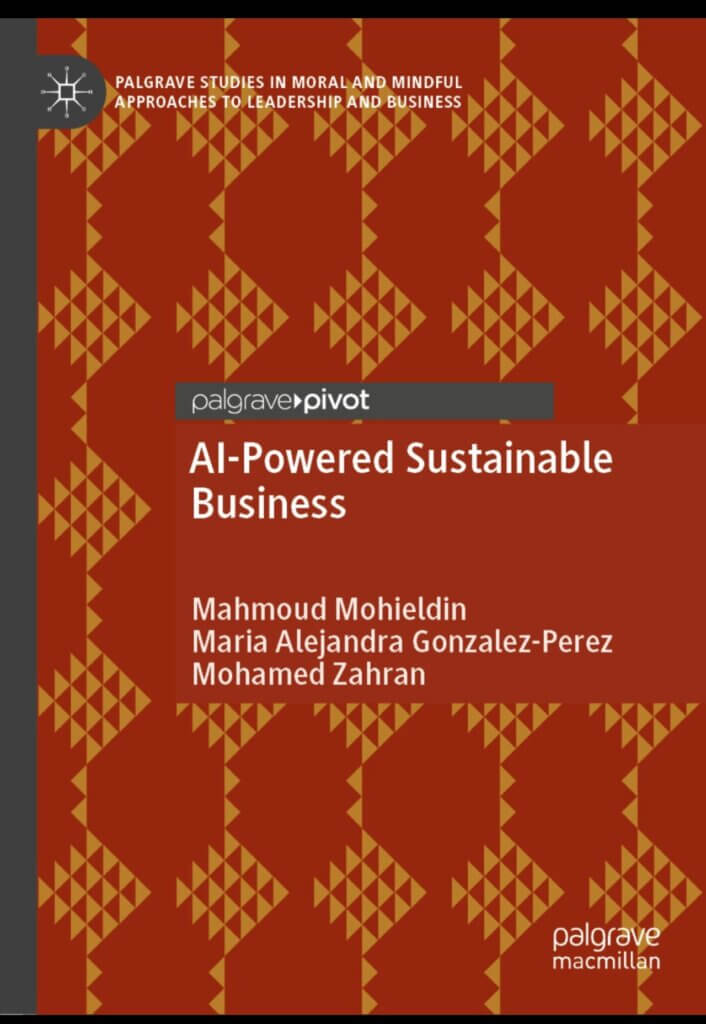
My new co-authored book with Maria Alejandra Gonzalez-Perez and Mohamed Zahran has just been published by Springer Nature
https://lnkd.in/exsazFcw
The SDGs are not a prescription imposed by any single entity but a reflection of widely accepted principles for long-term economic resilience, environmental stewardship, and social inclusion. Many businesses, governments, and institutions continue to integrate these principles—whether under the banner of sustainability, ESG (Environmental, Social, and Governance), or corporate responsibility.
However, this consensus has faced growing political and ideological challenges. Certain terms, including “SDGs”, have been weaponized in polarized debates, particularly in the United States. Some view the agenda as a form of global governance that infringes on national sovereignty.
Our approach in this book acknowledges these tensions but remains rooted in the necessity of a universal ethical framework. Drawing from Kantian ethics and an extended moral responsibility frontier, we advocate for a worldview that includes not only human actors but also non-human entities such as artificial intelligence ecosystems, and future generations. The ethical dimensions of AI’s role in sustainability demand a perspective that transcends national boundaries and political cycles. Addressing climate change, biodiversity loss, and social inequalities requires coordinated action that extends beyond short-term political shifts.
This book aims to contribute to that vision. While we recognize the debates surrounding sustainability terminology, we argue that AI’s role in shaping a sustainable future is undeniable. Whether framed as “business resilience”, “corporate responsibility”, or “technological innovation”, the reality remains:
Our goal is to provide a rigorous analysis of AI’s potential to drive positive change, while critically examining the risks and governance challenges it presents. The subsequent chapters explore specific AI applications, case studies, and strategic pathways for implementation. The path forward requires a balance between innovation and responsibility. AI’s transformative power must be harnessed equitably, ensuring that its benefits are widely distributed while its risks are effectively managed. In doing so, we align with a deeper ethical imperative—one that extends to future generations, non-human entities, and the very technological systems we create.
We invite readers to engage with this book not as a rigid doctrine but as a platform for dialogue. The challenges we face demand collective intelligence, ethical foresight, and a commitment to progress that transcends political divides. AI, when guided by responsible governance and a universal moral framework, can help shape a future where economic growth, environmental resilience, and social equity are not mutually exclusive but fundamentally interconnected.